.png)
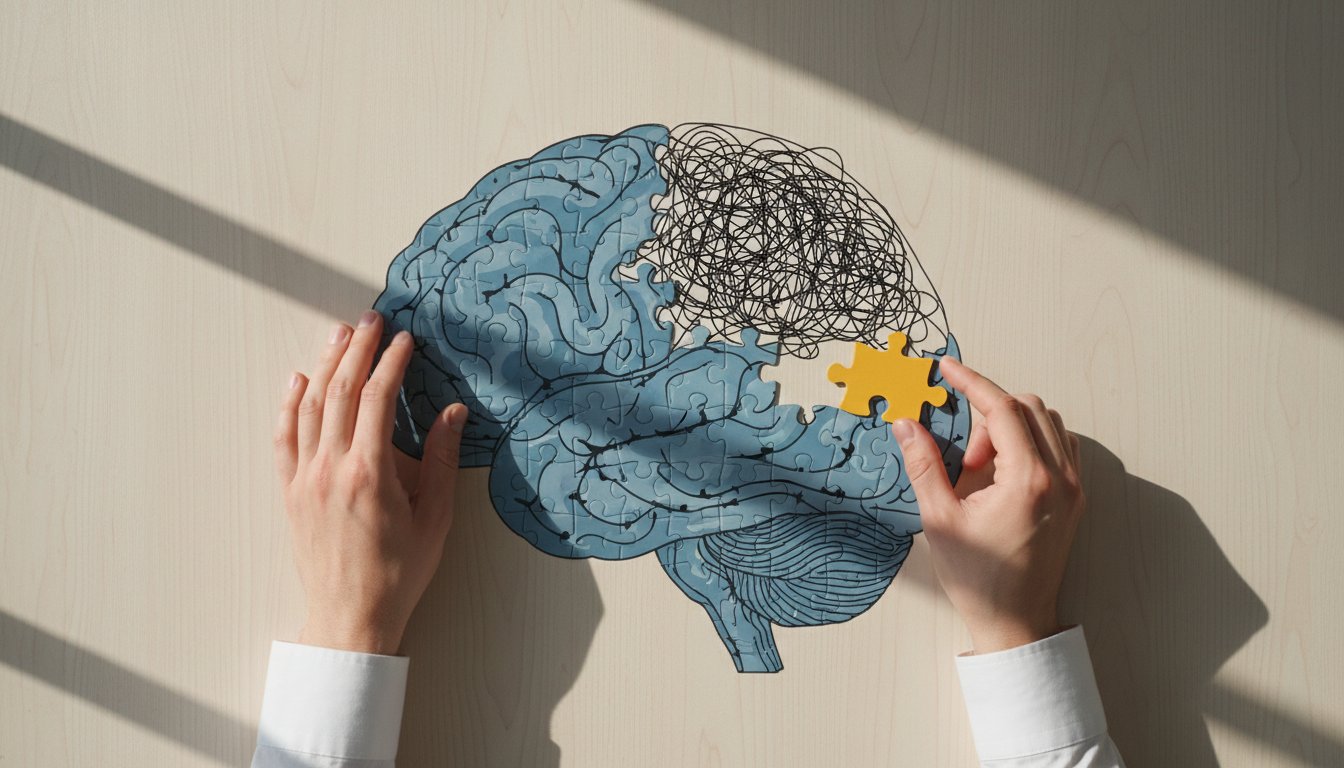
For adults with ADHD, managing mood and maintaining focus can feel like a constant battle against brain fog, emotional volatility, and afternoon energy slumps. While therapy and medication are cornerstone treatments, the role of nutrition is a powerful yet often overlooked factor in daily management. This article explores the evidence-based link between food and ADHD symptoms, providing a practical framework for using nutrition as the physiological foundation upon which other management strategies, like Cognitive Behavioural Therapy (CBT), can be built. Discover how to provide your brain with "premium fuel" to stabilise energy, reduce irritability, and enhance your executive function. At Collins Psychology, we provide online, self-paced CBT programmes designed to give you these skills; we do not offer one to one therapy.
The ADHD Brain as a High-Performance Engine: Why Quality Fuel Matters
Your brain is an incredibly energy-intensive organ. Despite making up only about 2% of your body weight, it consumes around 20% of your daily calories (Raichle & Gusnard, 2002). For the ADHD brain, which can be characterised by racing thoughts and a state of constant mental "idling," the metabolic demand can be even higher. This is why the concept of "premium fuel" is so relevant. Just as a high-performance car runs poorly on low-grade petrol, your brain's performance is directly tied to the quality of the nutrients you provide. High-quality nutrients help protect the prefrontal cortex, the brain's executive control centre, from oxidative stress, whereas low-quality fuel like refined sugars can lead to the dreaded dopamine crash and increased irritability.
The Prefrontal Cortex and the Energy Gap
The prefrontal cortex is responsible for executive functions: planning, decision making, emotional regulation, and sustaining attention. Its performance is highly dependent on a stable supply of glucose. When your blood sugar levels fluctuate wildly, it directly impacts your ability to self-regulate and stay on task (Kurniawan et al., 2021). This connection is a core focus of nutritional psychiatry, which is the study of how food and nutrients impact mental health outcomes.
Refined Sugars: The Dopamine Trap
For many with ADHD, sugary snacks offer a quick, temporary boost in dopamine, the neurotransmitter associated with reward and motivation. However, this is a trap. The initial high is quickly followed by a sharp crash in blood sugar, leading to "ADHD fog," fatigue, and poor concentration. Furthermore, a diet high in processed foods and refined sugars can promote chronic inflammation, which has been shown to potentially exacerbate symptoms of neurodevelopmental conditions like ADHD (Johnson et al., 2022). Be mindful of hidden sugars in many common breakfast cereals, sauces, and so-called "healthy" snack bars.
The Science of Nutritional Psychiatry: How Nutrients Modulate ADHD Mood
The connection between your plate and your brain is biochemical. The neurotransmitters that govern your mood, focus, and motivation are synthesised from the amino acids found in the food you eat. For example, the amino acid tryptophan is a precursor to serotonin (which regulates mood and sleep), while tyrosine is essential for producing dopamine and norepinephrine (which control focus and attention). Beyond these building blocks, the health of your gut and the presence of key micronutrients play a vital role in brain function.
Amino Acids: The Building Blocks of Focus
Protein is made of amino acids, which are critical for brain chemistry. A sufficient intake of protein, particularly sources rich in tyrosine, supports the production of norepinephrine and dopamine. This is why a protein-rich start to the day is non-negotiable for the ADHD brain; it helps to sustain alertness and focus throughout the morning, preventing the mid-morning slump often caused by a carbohydrate-heavy breakfast. Building consistent habits, such as eating a high-protein breakfast, is a behavioural change that can be effectively developed using the structured techniques found in Cognitive Behavioural Therapy (CBT).
Omega-3s and Brain Connectivity
Omega-3 fatty acids, specifically EPA (eicosapentaenoic acid) and DHA (docosahexaenoic acid), are fundamental to brain health. They are key components of brain cell membranes, ensuring they remain fluid and flexible, which is essential for efficient communication between neurons. A growing body of evidence suggests that omega-3 supplementation may help reduce symptoms of hyperactivity and inattention in individuals with ADHD (Chang et al., 2018). Excellent sources of omega-3s include fatty fish like salmon and mackerel, as well as walnuts, flaxseeds, and chia seeds.

The ADHD Power Plate: Essential Nutrients for Focus and Emotional Balance
Creating a balanced plate does not have to be complicated. By focusing on a few key principles, you can provide your brain with the sustained energy it needs for optimal performance.
Prioritise Lean Protein
Include sources like chicken, fish, eggs, beans, lentils, and Greek yoghurt in every meal to sustain alertness and support neurotransmitter production.
Complex Carbohydrates
Choose slow-release energy sources such as oats, brown rice, quinoa, and sweet potatoes. These prevent the sharp spikes and crashes in blood sugar that can trigger mood swings and brain fog.
Healthy Fats
Incorporate avocados, nuts, seeds, and olive oil to support long-term brain structure and reduce inflammation.
Hydration
Even mild dehydration of just 1-2% can significantly impair cognitive functions like concentration and memory, mimicking the effects of ADHD-related brain fog (Riebl & Davy, 2013).
Morning Momentum: The High-Protein Breakfast
The traditional breakfast of cereal, toast, and juice is often high in refined carbohydrates and sugar, making it a particularly poor choice for the ADHD brain. This type of meal can trigger a rapid blood sugar spike and subsequent crash, setting you up for a day of poor focus and irritability. It can also interfere with the absorption and efficacy of morning medication. Instead, try one of these 5-minute ideas:
• Scrambled eggs with a slice of wholegrain toast.
• Greek yoghurt with berries and a handful of nuts.
• A smoothie made with protein powder, spinach, and a small banana.
The Role of Micronutrients in Symptom Management
Certain vitamins and minerals act as essential co-factors in the chemical reactions that run your brain.
Magnesium
This mineral is crucial for sleep quality and can help calm a "racing brain" at night, promoting restorative rest.
Iron and Zinc
Both are involved in the synthesis of dopamine. Low levels of these minerals have been associated with ADHD symptoms, so it is worthwhile to have your levels checked by your GP before considering supplementation (Bloch & Mulqueen, 2014).
B Vitamins
This group of vitamins, particularly B12 and B6, is vital for cognitive energy and mood stability.
Overcoming the Executive Function Gap in Healthy Eating
Knowing what to eat is one thing; consistently doing it is another, especially when executive functions like planning, organising, and impulse control are challenging. The key is not to aim for perfection but to lower the barrier to entry.
Step 1: Reduce Friction.
Make healthy choices the easiest choices. Buying pre-chopped vegetables, bagged salads, or pre-cooked grains might cost a little more, but the reduction in effort can make a huge difference.
Step 2: Use Visual Cues.
Keep healthy snacks like fruit, yoghurt, and nuts at eye level in your fridge and pantry. Move less healthy options out of sight to reduce temptation.
Step 3: The "Safe Meal" Strategy.
Identify three simple, healthy meals you can make with minimal mental effort on days when you are tired or overwhelmed. This prevents you from defaulting to takeaways or processed foods.
Step 4: Managing the Medication Rebound.
Many ADHD medications suppress appetite, which can return with a vengeance in the evening. Plan a nutrient-dense snack for the late afternoon to prevent intense cravings and overeating later on.
Step 5: Batching without Burnout.
The idea of a full "meal prep Sunday" can be daunting. Instead, try "ingredient prep." Cook a large batch of chicken or quinoa to use in different meals throughout the week.
Managing Impulsive Eating and Dopamine Seeking
Impulsive snacking on high-sugar, high-fat foods is a common way the ADHD brain seeks a quick dopamine hit. When the urge strikes, use a "pause-and-plan" strategy. Take three deep breaths and ask yourself: "Am I truly hungry, or am I bored, stressed, or procrastinating?" This moment of mindfulness is a core skill in CBT. Learning to identify the emotion driving the urge allows you to address the root cause rather than reacting impulsively with food.
Low-Spoons Nutrition: Eating Well on Bad Days
Some days, executive function is at an all-time low. On these "low-spoons" days, perfectionism is your enemy. The goal is simply to fuel your brain. Keep a list of no-cook, nutrient-dense foods on hand, such as tinned tuna or salmon, rotisserie chicken, bagged salad, cottage cheese, and wholegrain crackers. Remember this principle: a mediocre healthy meal is always better for the ADHD brain than a perfect meal that never gets made.
Beyond the Plate: Integrating Nutrition into a Structured ADHD Management Plan
It is crucial to understand that nutrition is not a "cure" for ADHD. Rather, it is the physiological floor upon which all other strategies are built. A well-nourished brain is more receptive to therapeutic interventions like CBT. When your blood sugar is stable and your brain has the nutrients it needs, you are in a much better position to engage with and apply the skills learned in therapy, such as emotional regulation and executive function strategies. Our approach combines clinical understanding with holistic lifestyle management. The journey begins by taking small, sustainable steps, like focusing on one "nutritional win" each day.
The Role of CBT in Sustaining Lifestyle Changes
Making lasting changes to your diet requires changing your behaviour and thought patterns, which is the central focus of CBT. This therapeutic approach helps you reframe setbacks, viewing a "bad" food day not as a personal failure but as a data point to learn from. It provides the tools to challenge the "all-or-nothing" thinking that can derail progress. By using CBT frameworks, you can systematically organise your kitchen, your shopping, and your meal planning in a way that works for your ADHD brain.
Next Steps
Building a supportive nutritional foundation is a powerful step in managing adult ADHD. When combined with evidence-based psychological strategies, it can lead to significant improvements in mood, focus, and overall quality of life. If you are ready to learn structured, practical skills for managing your ADHD, we invite you to explore our online, self-paced programmes.
Explore our evidence-based CBT programmes for Adult ADHD
Frequently Asked Questions (FAQs)
Does sugar make ADHD symptoms worse in adults?
While sugar does not cause ADHD, research suggests a strong link between high sugar intake and the exacerbation of symptoms like inattention, hyperactivity, and irritability due to its impact on dopamine and blood glucose levels (Johnson et al., 2022).
Can I manage my ADHD with diet alone without medication?
Diet is a supportive strategy, not a standalone treatment. It should be part of a comprehensive management plan that may include medication, therapy (like CBT), and other lifestyle adjustments, as determined by you and your healthcare provider.
What are the best snacks for ADHD focus during the workday?
Opt for snacks that combine protein, healthy fats, and fibre. Examples include an apple with nut butter, a handful of almonds, Greek yoghurt, or a hard-boiled egg. These provide sustained energy without the sugar crash.
How does caffeine affect the ADHD brain and mood?
Caffeine is a stimulant and can have a focusing effect for some adults with ADHD. However, responses vary greatly. For some, it can increase anxiety and disrupt sleep. It is best to observe your own reaction and consume it in moderation, avoiding it in the afternoon and evening.
Are there specific foods I should avoid if I have ADHD?
While there is no single "bad" food, it is generally beneficial to limit refined sugars, highly processed foods, and artificial additives, as these can contribute to inflammation and blood sugar instability.
How can I stay hydrated when I keep forgetting to drink water?
Use visual cues. Keep a large water bottle on your desk at all times. Set recurring phone reminders or use a smart water bottle that lights up. You can also "eat" your water through hydrating foods like cucumber, melon, and oranges.
Is there a specific "ADHD Diet" that is scientifically proven?
There is no single, officially recognised "ADHD diet." However, research points towards balanced dietary patterns, such as a Mediterranean-style diet, that are rich in whole foods, lean proteins, healthy fats, and complex carbohydrates, and low in processed foods and sugar.
How do I handle the loss of appetite caused by ADHD medication?
Plan to eat a nutrient-dense breakfast before your medication takes effect. During the day, focus on smaller, calorie-dense snacks like nuts, seeds, and smoothies. Schedule your meals and snacks with reminders, even if you do not feel hungry.
References
Bloch, M. H., & Mulqueen, J. (2014). Nutritional supplements for the treatment of ADHD. Child and Adolescent Psychiatric Clinics of North America, 23(4), 883–897. https://doi.org/10.1016/j.chc.2014.05.002
Chang, J. P. C., Su, K. P., Mondelli, V., & Pariante, C. M. (2018). Omega-3 polyunsaturated fatty acids in youths with attention-deficit hyperactivity disorder: a systematic review and meta-analysis of clinical trials and biological studies. Neuropsychopharmacology, 43(3), 534–545. https://doi.org/10.1038/npp.2017.160
Johnson, R. J., Gold, M. S., Johnson, D. R., Ishimoto, T., Lanaspa, M. A., Saul, N., & Hecht, S. S. (2022). Attention-deficit/hyperactivity disorder (ADHD) and the role of sugar: a narrative review. Frontiers in Psychiatry, 13, 953533. https://doi.org/10.3389/fpsyt.2022.953533
Kurniawan, I. T., Jupri, R. A., & Widiatsari, D. (2021). The role of prefrontal cortex in cognitive control and its vulnerability. The International Medical Journal, 5(1), 12-21.
Raichle, M. E., & Gusnard, D. A. (2002). Appraising the brain's energy budget. Proceedings of the National Academy of Sciences, 99(16), 10237-10239. https://doi.org/10.1073/pnas.172399499
Riebl, S. K., & Davy, B. M. (2013). The influence of hydration on cognitive performance: A review. ACSM's Health & Fitness Journal, 17(6), 7-12. https://doi.org/10.1249/FIT.0b013e3182a9595b